
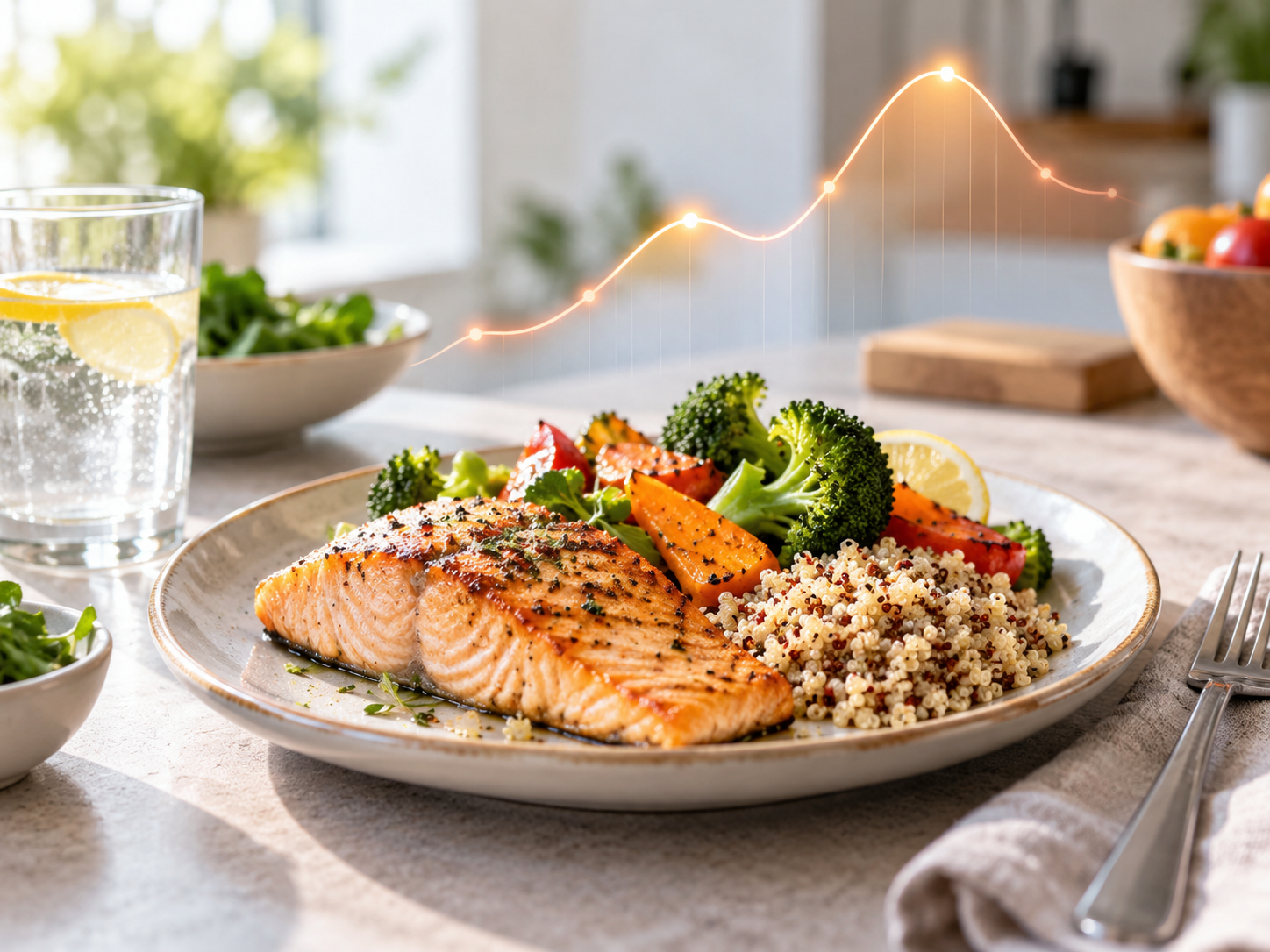
After you eat carbohydrates, glucose enters your bloodstream faster than your cells can immediately use or store it, so your blood sugar temporarily rises. How sharp that rise is depends on the balance between how quickly glucose enters your bloodstream and how efficiently insulin and your muscles help clear it. That is why the same meal can cause a relatively gentle rise in one situation and a much sharper spike in another. The good news is that many of those factors are things you can influence.
So when your blood sugar spikes after eating, there is rarely just one reason. What you ate, how much you ate, what you ate with it, what you do afterward, and how sensitive your cells are to insulin can all affect the size and duration of the spike.
Before looking at why some meals cause larger spikes than others, it helps to understand why the size and duration of that rise matters.
Why Post-Meal Blood Sugar Matters
A temporary rise in glucose after eating is normal. The concern is not that your blood sugar rises, but how high it rises, how long it remains elevated, and what your overall glucose control looks like over time. Persistently high blood glucose associated with diabetes can damage blood vessels and nerves. Post-meal glucose is only one part of that bigger picture, but it contributes to the amount of glucose your body is exposed to throughout the day. (1)
The good news is that what happens after a meal is influenced by more than one factor. The amount and type of carbohydrate matter, but so do the other foods on your plate and what you do after eating.
The Influence Of Carbohydrates
Carbohydrates have a greater immediate effect on blood glucose than protein or fat. However, not all carbohydrate foods affect blood sugar at the same speed. (2) Refined carbohydrate foods such as sugary cereals, pastries, candy, soda, white bread, and many packaged snacks are generally digested quickly, while higher-fiber, less processed carbohydrate foods such as beans and lentils tend to produce a slower, more gradual rise in blood sugar. Fiber helps explain part of this difference because it is not broken down and absorbed in the same way as sugars and starches. A systematic review of randomized trials has also found that increasing dietary fiber can improve several measures of glucose control in people with diabetes or at increased risk. (3)
Portion size matters too. Even a nutritious carbohydrate food can provide a substantial glucose load if you eat a large amount of it. That does not mean rice, bread, pasta, potatoes, or fruit necessarily nneed to disappear from your diet. It means both carbohydrate quality and quantity matter.
What You Eat With Carbohydrates Matters Too
A bowl of carbohydrates eaten by itself does not necessarily produce the same response as those carbohydrates eaten with protein, fat, and fiber.
The CDC notes that eating carbohydrates with foods containing protein, fat, or fiber can slow how quickly blood sugar rises. It also points out that fruit juice generally raises blood sugar faster than whole fruit because much of the natural fiber has been removed. (4)
There is even interesting research on the order in which you eat a meal. In a randomized crossover study involving people with prediabetes, eating protein and vegetables before carbohydrates reduced the overall post-meal glucose response by nearly 39% compared with eating the carbohydrates first. (5)
You do not need to turn every meal into a science experiment, but the research reinforces a simple point: the entire meal matters, not just the carbohydrate on the plate.
What You Do After Eating Can Make a Difference
Your muscles use glucose for energy, which is one reason physical activity can have such an immediate effect on blood sugar. A meta-analysis of randomized trials found that exercise performed after eating reduced post-meal glucose spikes, with the greatest benefit when activity began relatively soon after the meal. That does not mean you need an intense workout after dinner. Even walking after eating was sufficient to produce an effect. (6) Engaging in exercise regularly can also matter because physical activity supports insulin sensitivity.

Supporting a Healthier Blood Sugar Response
Blood sugar management rarely comes down to one food or one habit. A useful starting point is to build meals around vegetables, adequate protein, fiber and healthy fats, with an appropriate portion of carbohydrate. Choosing whole fruit instead of juice, limiting sugar-sweetened drinks, and staying active after meals can also reduce the glucose load your body has to manage. (7)
Sleep belongs in the conversation too. A meta-analysis of randomized controlled trials found that restricting sleep reduced insulin sensitivity, suggesting that consistently poor sleep can make glucose regulation more difficult. (8)
For people who want additional nutritional support, certain botanical extracts and nutrients have also been investigated for their effects on glucose metabolism.
Why Research Verified Developed Glucotrax
Research Verified Glucotrax was formulated to provide nutritional support for healthy blood sugar levels, insulin function, and glucose metabolism through several complementary ingredients. The formula includes Berine-X™, a combination of berberine and BioPerine®, along with Mulberry Leaf Extract standardized to 5% DNJ, aqueous Cinnamon Extract, Chromium Picolinate, Magnesium, Alpha Lipoic Acid, Gymnema, Banaba Leaf Extract, and Vitamin B12.
Berberine Has Some of the Strongest Research Behind It
Berberine is one of the more extensively studied botanical compounds for glucose metabolism.
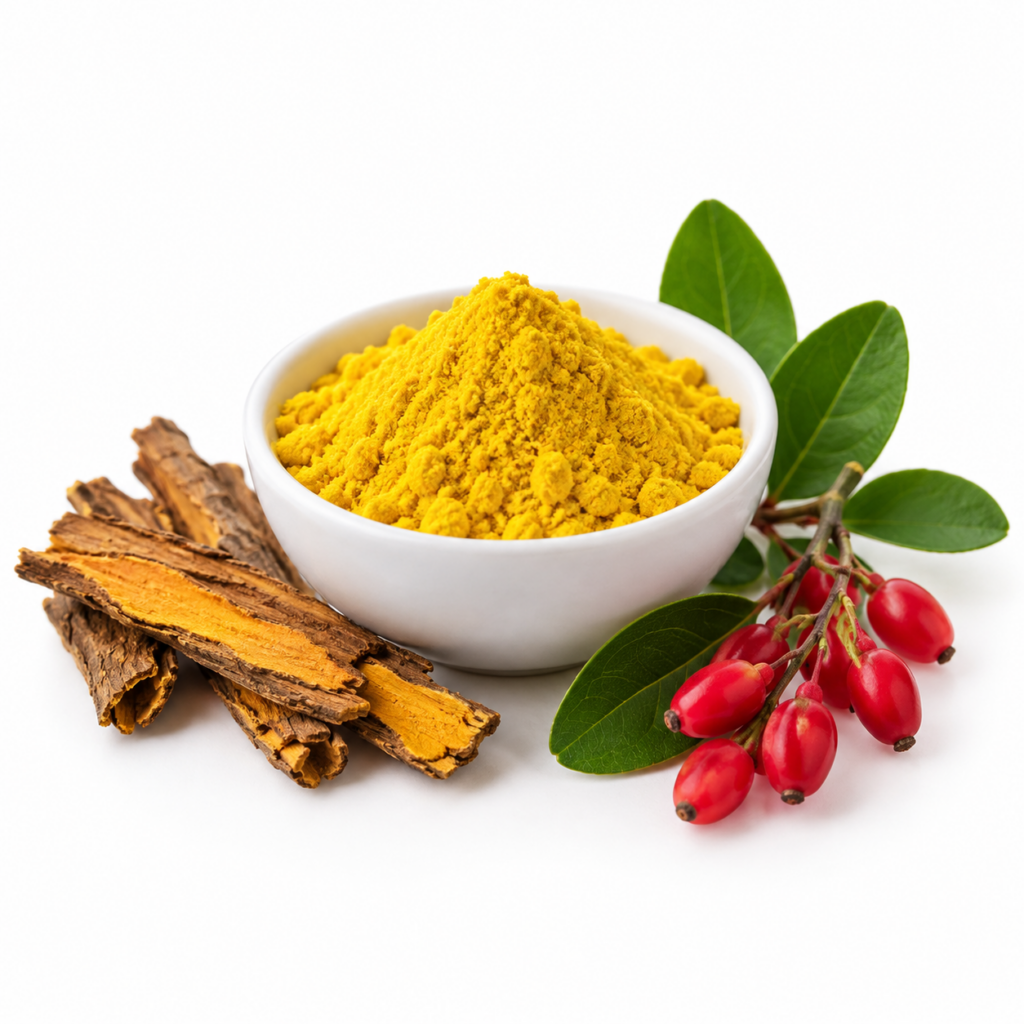
A systematic review and meta-analysis of 20 randomized controlled trials involving 1,761 participants found that berberine supplementation was associated with reductions in fasting glucose, HbA1c, fasting insulin, insulin resistance, and two-hour post-meal glucose. The effects varied among populations and studies, but the findings support berberine’s role as a complementary approach to glucose management. (9)
Mulberry Leaf Takes a Different Approach
Mulberry leaf is especially relevant to a post-meal blood sugar formula because it contains 1-deoxynojirimycin, or DNJ, a compound that inhibits alpha-glucosidase enzymes involved in breaking down carbohydrates in the intestine.
One particularly relevant randomized, double-blind crossover trial tested a mulberry leaf extract standardized to 5% DNJ, the same standardization used in Glucotrax. In healthy adults consuming maltodextrin, the standardized extract produced dose-dependent reductions in the rise in both glucose and insulin over the following two hours. (10)
A broader meta-analysis of 12 clinical trials involving 615 participants also found that mulberry leaf or mulberry leaf extract supplementation was associated with improvements in fasting glucose, HbA1c, and fasting insulin, although effects differed according to baseline metabolic health and treatment duration. (11)
What About the Rest of the Formula?
Glucotrax does not rely only on berberine and mulberry leaf.
Research has also examined its supporting ingredients. For example, meta-analyses of randomized trials have reported improvements in some measures of glucose control with cinnamon, chromium, and Gymnema sylvestre supplementation. (12)
Magnesium and alpha lipoic acid add additional pathways of support. Magnesium plays an important role in normal glucose metabolism and insulin signaling, while alpha lipoic acid acts as an antioxidant and has been studied for its effects on insulin sensitivity and glucose uptake. A meta-analysis of 28 clinical studies found that alpha lipoic acid supplementation significantly improved insulin and HOMA-IR, a marker of insulin resistance, while previous randomized-trial analyses have also linked magnesium supplementation with improvements in insulin sensitivity and glucose regulation. (13, 14)
Together with cinnamon, chromium, Gymnema, berberine, and standardized mulberry leaf, these ingredients give Glucotrax several complementary ways to support healthy glucose metabolism rather than depending on a single compound.

Blood Sugar Management Is About More Than Avoiding Sugar
When people think about high blood sugar, dessert is often the first thing that comes to mind. But your post-meal response depends on much more than whether something tastes sweet. The type and amount of carbohydrate, the rest of the meal, your activity level, sleep, and your body’s sensitivity to insulin all matter.
That gives you several practical places to start. Choose more minimally processed, fiber-rich carbohydrates. Include protein and vegetables with meals. Be mindful of portions. Replace sugary drinks with water more often. Stay active, and consider a short walk after eating.
For people who want additional nutritional support, Research Verified Glucotrax combines berberine, standardized 5% DNJ mulberry leaf, and several complementary ingredients studied for their roles in glucose and insulin metabolism.
The goal is not to eliminate the normal rise in blood glucose that happens after eating. It is to support your body’s ability to manage that rise and keep glucose within a healthy range.
>>> Support blood sugar balance with Glucotrax!
* If you have diabetes, take insulin or glucose-lowering medication, or regularly experience unusually high or low blood sugar readings, speak with your healthcare provider before using a blood sugar supplement. Berberine and other glucose-support ingredients may interact with medications or contribute to blood sugar dropping too low.


Comments are closed.