
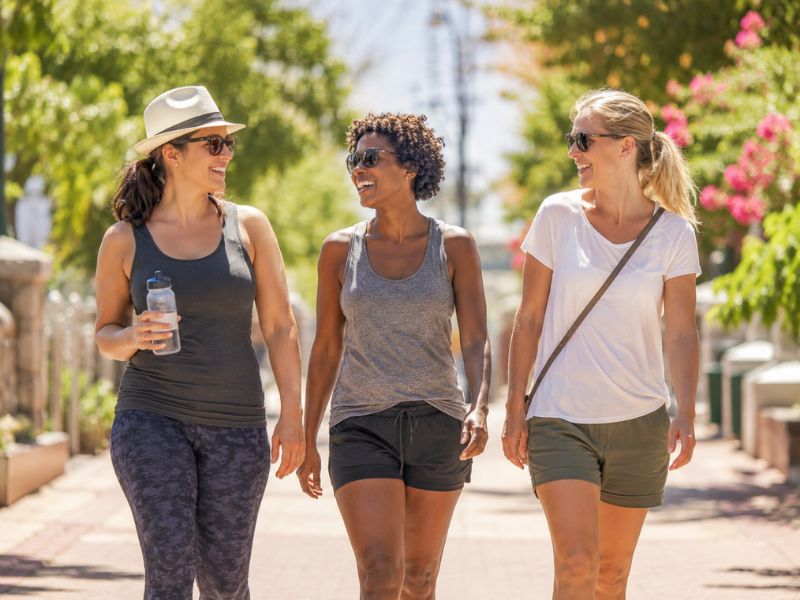
When the sun comes out and temperatures rise, our daily routines naturally shift. We swap heavy winter comfort foods for crisp salads, reach for iced beverages, and spend more time active outdoors.
However, many women notice an unwelcome side effect during a heatwave: an uptick in bladder sensitivity, sudden urgency, or unexpected leaks. If you feel like your bladder misbehaves more in the summer, you aren’t imagining it. There are distinct physiological reasons why hot weather challenges pelvic health. Fortunately, there are also highly effective, research-backed ways to manage it. Here’s why the summer heat impacts your bladder, and how you can optimize your diet and lifestyle to stay comfortable and confident all season long.
The Science: Why Heat Waves Trigger Bladder Issues
To tackle summer bladder leaks, it helps to understand what is happening internally. High temperatures affect your body’s fluid balance in two primary ways:
- Concentrated Urine: When it’s hot, you lose more fluids through sweat. If you don’t increase your water intake proportionally, your urine becomes highly concentrated. Concentrated urine is a known chemical irritant to the bladder lining, leading to sudden urgency, higher frequency, and leaks. (1,2)
- The “Cold Shock” Response: On a sweltering day, an ice-cold drink feels amazing. However, the bladder contains specific cold-sensing nerve receptors. In individuals with bladder sensitivity, a sudden influx of icy liquid can trigger involuntary pelvic muscle activity, causing an immediate, intense urge to go. (3)
The Hidden Summer Culprit: How Your Bowels Dictate Your Bladder
There is another major summer factor that many people overlook: constipation. Between summer travel throwing off our schedules and mild dehydration hardening our stool, sluggish digestion spikes during the warmer months. This might not seem like a bladder problem, but because the bladder and bowel share the same pelvic floor muscles, your digestive health directly impacts your urinary health (4):
- The Spatial Squeeze: When the bowel is full or impacted, it physically takes up extra room in the pelvis, which exerts direct pressure on the bladder. This leaves the bladder with less room to expand, signaling a frantic need to urinate even when it isn’t full, leading to sudden urgency and reduced warning time before a leak.
- The Straining Side Effect: Chronic straining during difficult bowel movements puts an immense, repetitive load on the pelvic floor. Over time, this stretches and weakens the very muscles required to maintain urinary continence.
- The Menopause Multiplier: This structural pressure is especially evident in perimenopausal and postmenopausal women. As estrogen levels decline, pelvic tissues naturally lose resilience, making the bladder even more vulnerable to crowding by the bowel.
The Takeaway: Constipation doesn’t just cause temporary discomfort; over time it quietly undermines your pelvic floor muscles. Keeping your bowels moving smoothly is one of the fastest ways to give your bladder breathing room. (5)
Step 1 of Bladder Control: DIet
Staying hydrated and keeping your digestion regular doesn’t mean you have to constantly gulp down giant glasses of water. Instead, try “eating” your hydration and choosing low-acid, high-fiber, bladder-friendly foods.
1. Stock Up on High-Water-Content Foods
Building your meals around water-rich vegetables helps top off your fluid levels gradually throughout the day, keeping urine diluted and stools soft. Some food you might want to include in your diet are cucumbers, zucchini, watermelon, lettuce, and spinach.
2. Keep Acidity Low
Summer staples like tomatoes, citrus-heavy marinades, vinegary dressings, and carbonated sodas are peak bladder irritants. Smart swaps can make a massive difference. For example, try using a little lemon zest or a splash of apple cider vinegar to brighten a dressing without adding the strong acidity of fresh lemon juice. Avoid the acidity of tomatoes by using red bell peppers instead. Keep orange juice, sodas, and ice coffees to a minimum by choosing coconut water or herbal iced teas.
3. Focus on Clean Protein & Targeted Snacks
Keep pumpkin seeds on hand for snacking. They are naturally rich in zinc, magnesium, and essential fatty acids which are nutrients clinically observed to help reduce urinary urgency while providing gentle fiber for the bowels. Pumpkin Seed oil has been shown to decrease overactive bladder symptoms (6). For menopausal women with incontinence, incorporating plant-based proteins like tofu or tempeh provides natural phytoestrogens that can support overall hormonal and pelvic tissue health during menopause. In fact, a 2017 study looked at the effects of combined pumpkin seed extract with soybean extract and found that it reduced urinary incontinence symptoms and improved quality of life in perimenopausal women (7).
Step 2 of Bladder Control: Targeted Support
True bladder control requires addressing going beyond dietary changes. If you want to stop planning your summer days around the nearest bathroom, a targeted approach is key. Supplements are designed to fill the exact nutrient gaps that are linked to certain symptoms. For example, Research Verified Bladder Control provides a 4:1 Pumpkin Seed extract to strengthen the pelvic muscles, Soy Isoflavones to address hormonal influences, and Vitamin B1 which is linked to improving nerve-related urinary incontinence. It also contains Ura-X which contains an additional 3 ingredients clinically studied together for synergistic effects on bladder tone, pelvic floor strength, and urinary frequency (8).
Yet, as we discussed above, sometimes urinary incontinence isn’t fully about the bladder. The colon and bowel health also have influence. To stop a crowded bowel from putting pressure on your bladder, Research Verified Constirelief provides a gentle, non-habits-forming solution to summer sluggishness. By utilizing natural laxatives, soluble fibers, and soothing herbs, it promotes regularity and softens stool without causing cramping. By keeping your digestive system moving, you directly alleviate the physical pressure on your bladder and protect your pelvic floor from the damaging effects of straining on the toilet.
Step 3 of Bladder Control: Lifestyle
Beyond what you put on your plate, adjusting your daily habits can make a massive difference in how your bladder behaves. While it might feel intuitive to restrict your liquid intake to avoid bathroom trips, this tactic actually backfires by creating highly concentrated, irritating urine and harder stools. Instead, focus on sipping water steadily throughout the day; your ultimate goal is a healthy, pale straw-yellow color. If frequent nighttime bathroom trips (nocturia) are your main hurdle, simply front-load your hydration. Enjoy the majority of your water during the morning and afternoon hours, and comfortably taper off your intake roughly two hours before you head to bed.
Supporting your bladder also requires a mix of physical conditioning and everyday comfort. Clinical reviews consistently show that regular pelvic floor muscle training is incredibly effective for combating urinary incontinence (9). The secret is consistency, which you can easily achieve by “habit-stacking” your exercises onto routine summer moments—like squeezing in a session while waiting for the grill to heat up or sitting at a red light. Finally, don’t let the combination of summer sweat and synthetic fabrics irritate sensitive skin or amplify the discomfort of minor leaks. Swap out tight synthetics for breathable cotton clothing, and lean on specialized incontinence products that actively lock away moisture and neutralize odor so you can stay cool and confident all season long.
Conclusion: Enjoy Your Summer with Confidence
Summer is meant for making memories, not mapping out every public restroom in a five-mile radius. While the rising temperatures and shifts in your routine can certainly throw your pelvic health for a loop, you don’t have to let bladder sensitivity dictate your seasonal plans. By understanding the connection between hydration, digestion, and pelvic floor strength, you can take back control.
Implementing just a few of these evidence-backed changes—whether that means swapping out your morning iced coffee for an herbal alternative, introducing a targeted supplement routine, or practicing your pelvic floor exercises at a red light—can yield massive results. Give your body the support it needs this season, so you can focus on soaking up the sun with total peace of mind
Looking for more reading? Check out our post titled “Say Goodbye To Travel Constipation: Strategies for Healthy Digestion on-the-Go”



Comments are closed.